
How to Play Burraco: the complete rules
Learn the rules and regulations of Burraco online and in person.
The game is divided into individual hands (called “smazzate”) and to win a hand a player must achieve the following objectives:
- Play all the cards in hand by laying them on the table (with sequences or combinations).
- Take a group of 11 additional cards called the “pozzetto” – and lay down at least 7 cards in a sequence or combination (a “Burraco”).
- Play all the cards in hand again, discarding the last card.
At the end of a hand, both the winner and the loser score positive points for the cards on the table, and negative points for cards remaining in hand. The sum of the points earned during the various hands gives the final score and determines the winner of the game.
1 Game setup and card distribution:
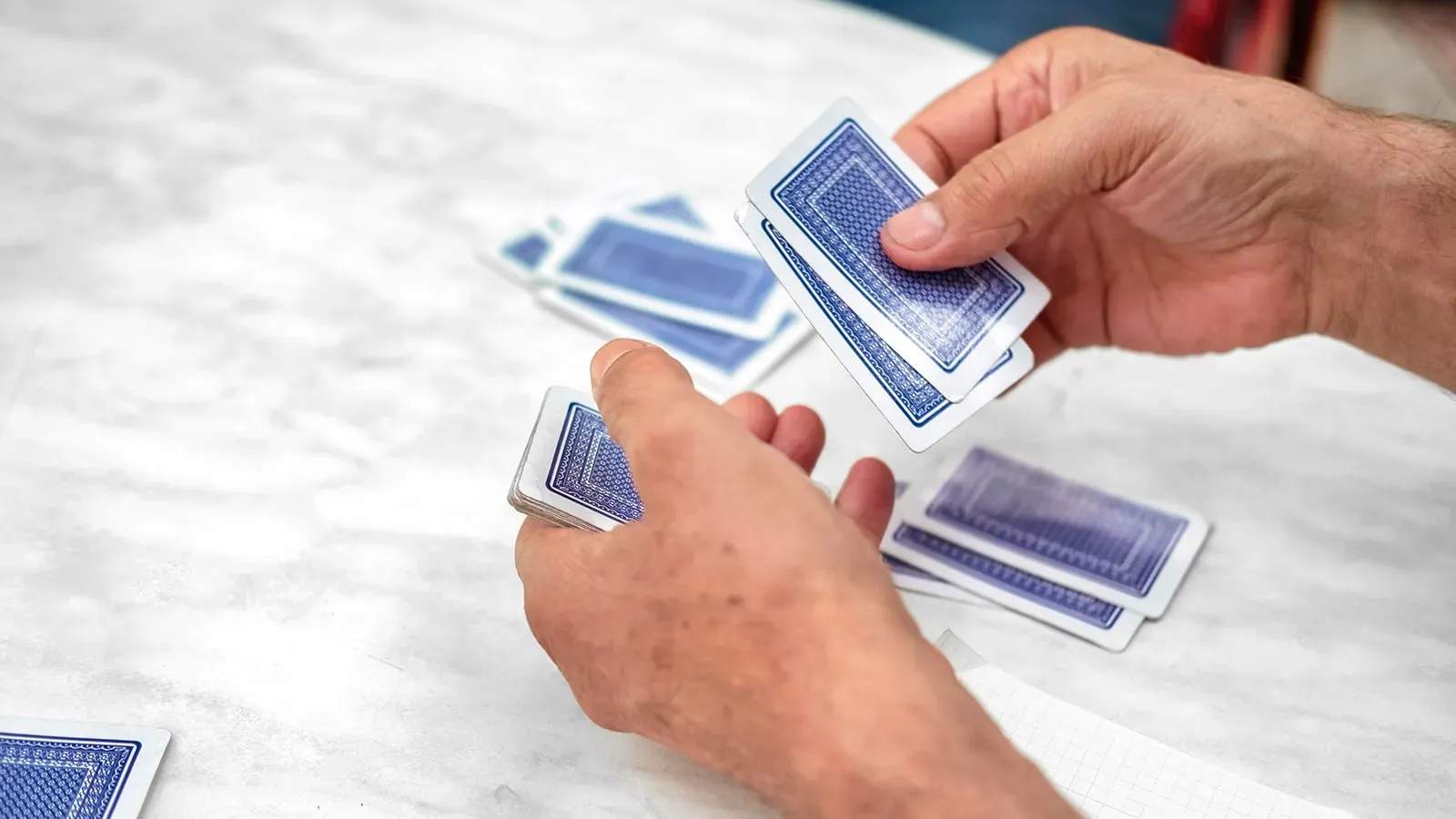
Burraco is played with two decks of 54 French cards (52 cards + 2 jokers) for a total of 108 cards including 4 jokers. The two decks have differently coloured card backs, so that no two identical cards share the same back colour.
In the live game, before the first hand begins, each player draws a card from the deck and reveals it. The player who draws the lowest card deals. In four-player games, the player who draws the lowest card deals starting from the opposing team's player who drew the highest card. If two cards have the same value, suit takes precedence: Hearts, Diamonds, Clubs, Spades. If two cards share the same suit, two new cards are drawn.
At the start of a hand the deck is shuffled by the dealer, then the player to the dealer's right cuts the deck and prepares two packets of 11 cards each (called pozzetti), taking the cards from the bottom of the upper half of the cut deck, one at a time, alternately, until both pozzetti are formed. At the same time the dealer distributes 11 cards to each player, one at a time, clockwise. Once both operations are complete, the remaining cut cards are placed under the uncut deck, forming the tallone (stock pile), from which cards are drawn during play.
In the online game, players remain seated at their chosen positions, the first dealer is North, and the assignment then proceeds clockwise.
2 Playing the game: start of turn
Each turn begins with one of the following two actions: drawing the top card from the stock pile – or – picking up all the cards in the discard pile. Only afterwards may the player begin laying down groups of cards.
3 Rules for laying down cards:
Cards can be laid down in groups called “combinations” or “sequences”.
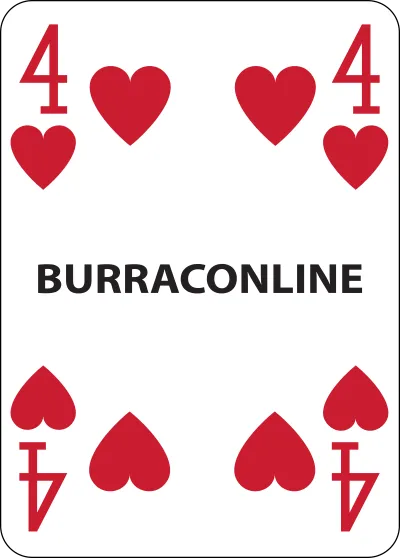
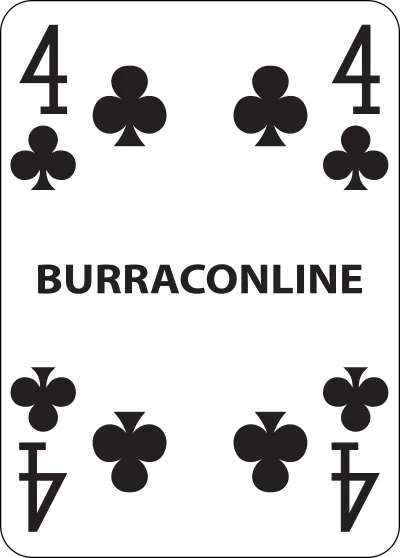
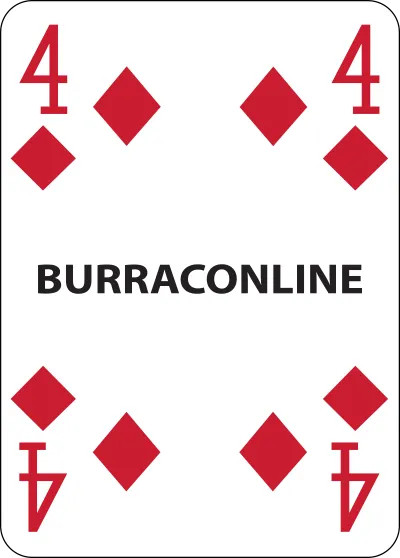
“Combinations” are groups of cards of equal value, for example (4H, 4C, 4D).
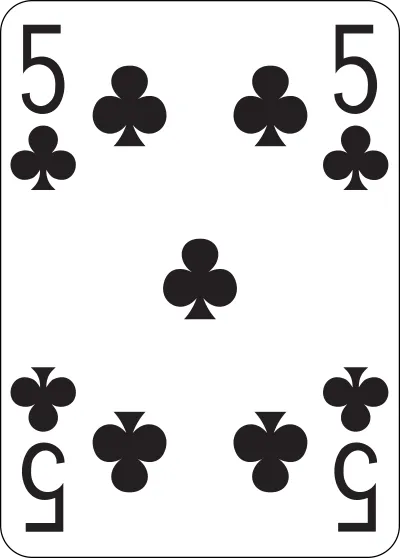
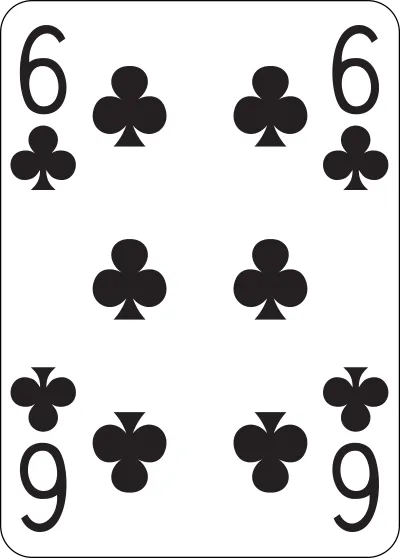
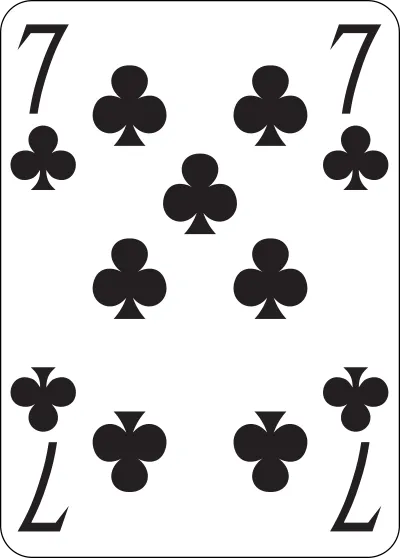
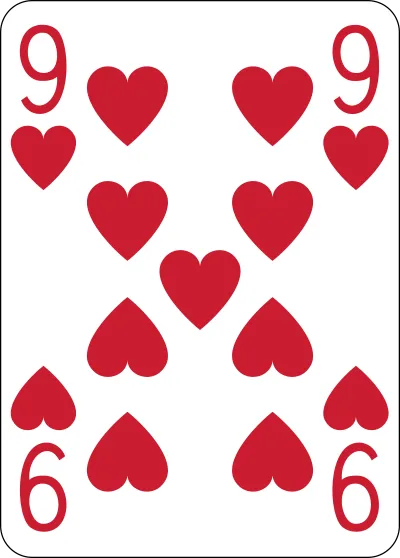
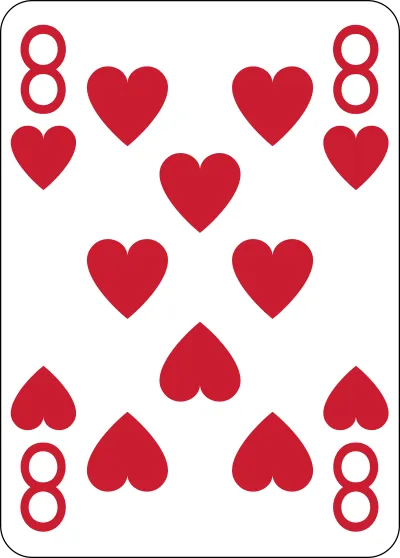
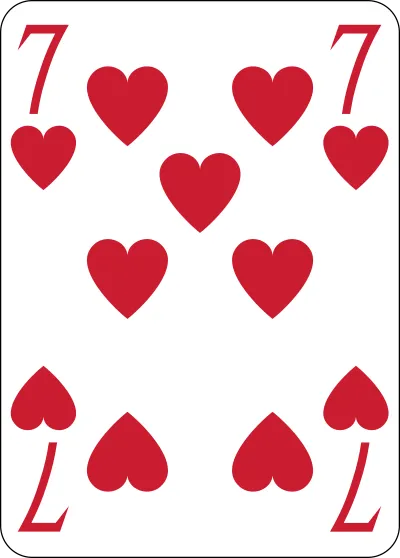
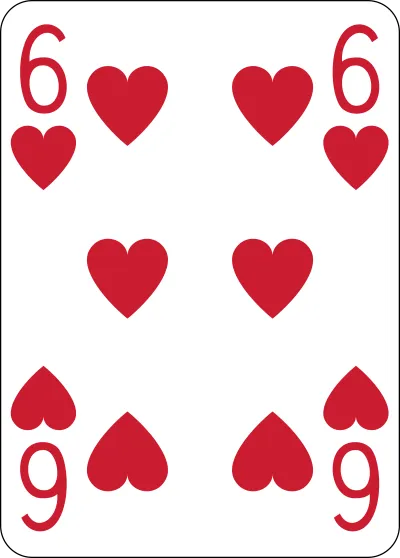
“Sequences” are groups of cards of the same suit in consecutive value, for example (5C, 6C, 7C).
A card that has been laid down cannot be taken back and moved to a different group. To start a new group of cards you need a minimum of 3 cards.
Regarding sequences, furthermore:
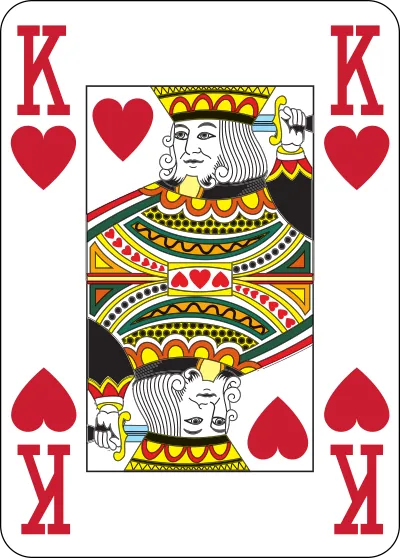
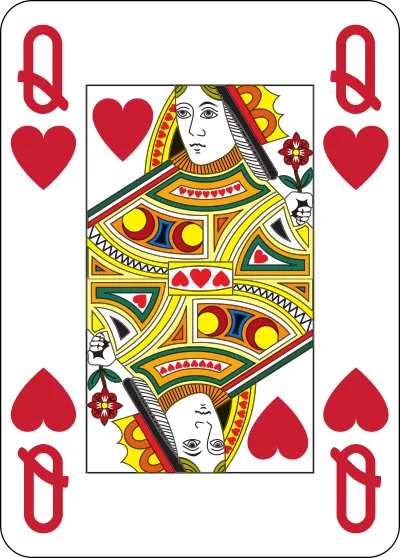
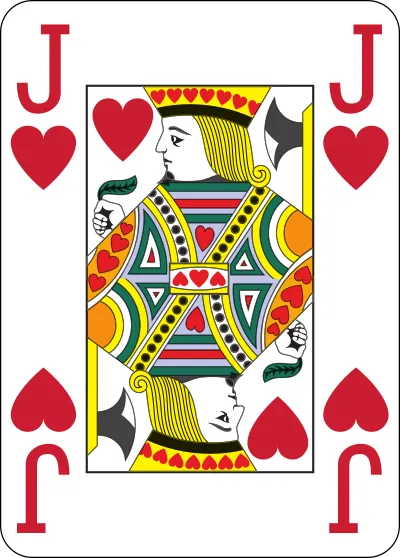
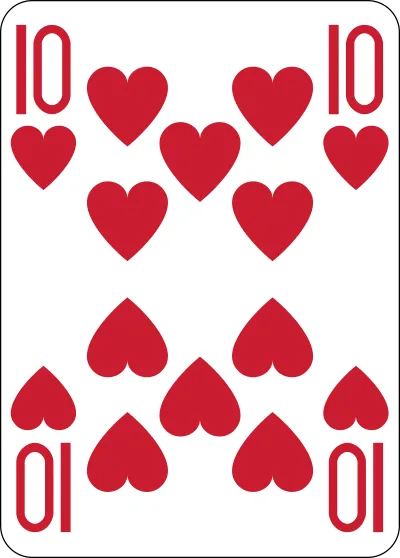
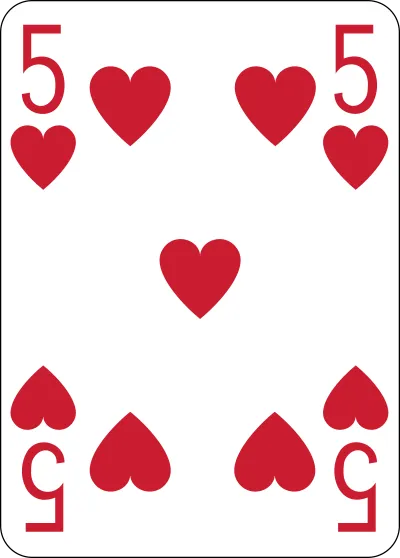
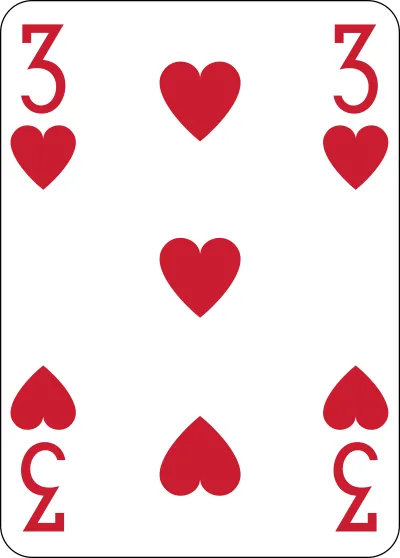
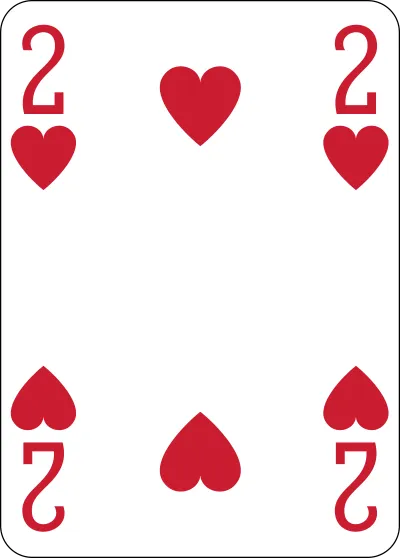
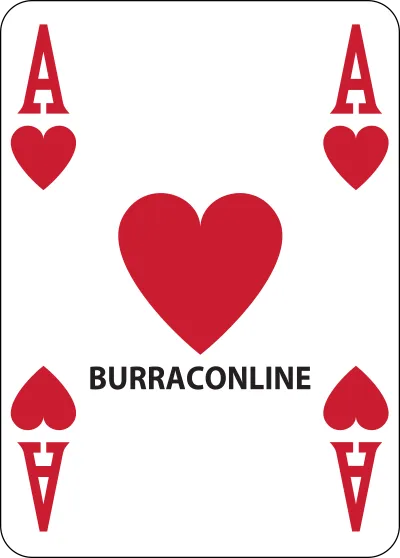
- They can consist of at most 13 cards of the same suit in order, plus an optional wild card (for a maximum total of 14 cards): – A-2-3-4-5-6-7-8-9-10-J-Q-K-Wild.
- The ace in sequences is unique, and can be placed indifferently at the low end
(before the 2, e.g. 4-3-2-A), or at the high end, before the K (e.g. A-K-Q-J).
Regarding combinations, furthermore:
- They can consist of a maximum of 9 cards, including any wild card.
- Combinations made entirely of wild cards are not allowed.
- Two identical combinations cannot be laid down (example: two combinations of three Jacks – if a three-of-a-kind of Jacks already exists, additional Jacks must be placed under that existing group).
4 How and where to place laid-down cards:
Laid-down cards must be placed one under the other, in front of the player who plays them. In four-player games, players of the same team play facing each other. Each new group of cards must be placed to the right of the previous one.
5 Wild cards: the “pinelle” (twos) and Jokers
A wild card is a card that can substitute any other card in a group of laid-down cards. In Burraco, wild cards consist of all 4 Jokers and all 8 cards with a value of 2 (called “pinelle”).
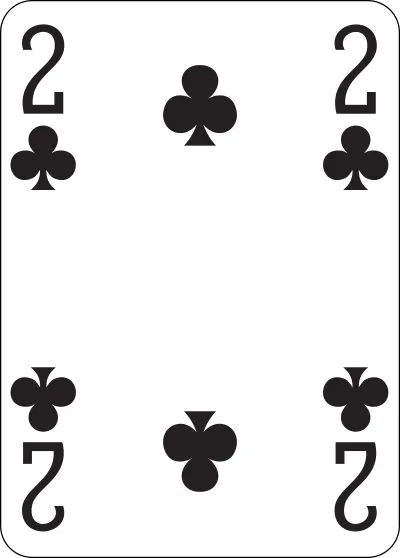
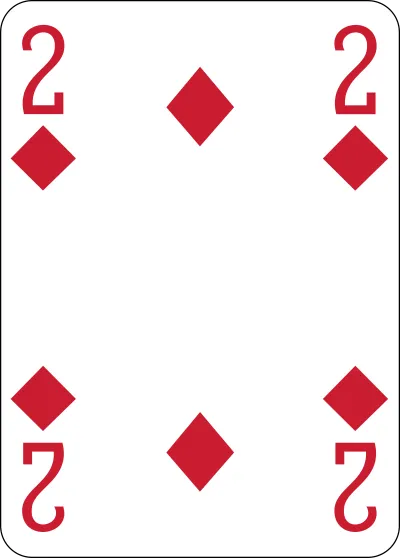
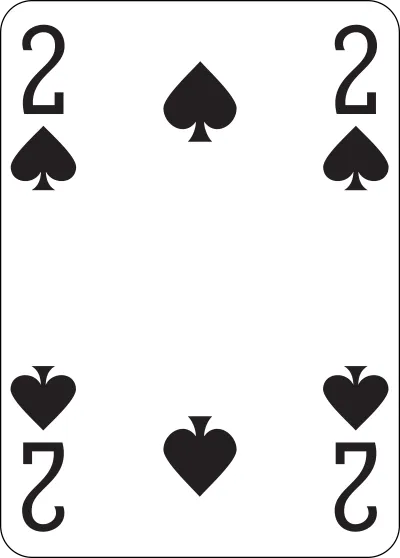
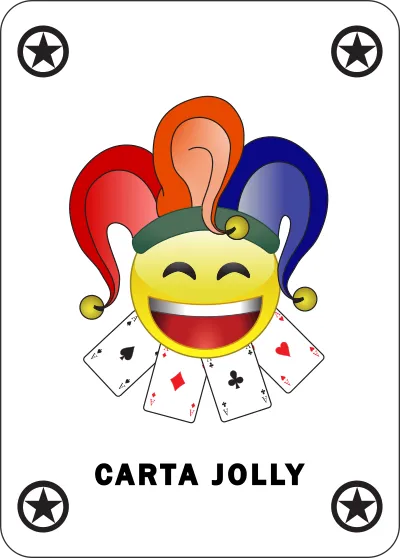
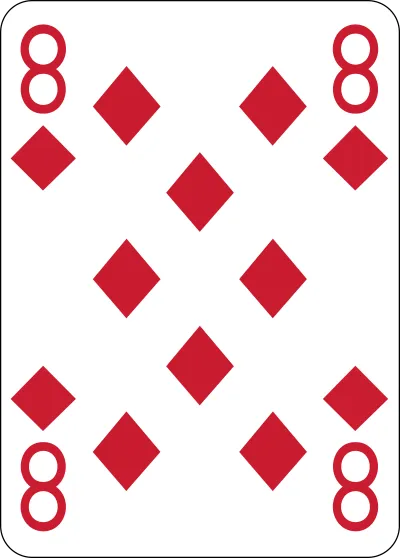
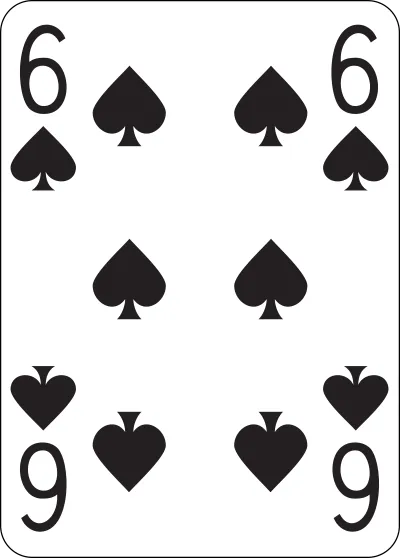
In a combination, the wild card is used as if it were of the same value as the other cards in that combination. For example, the combinations (Joker, 8H, 8D) or (2H, 6S, 6S) are valid.
When adding a new card to a group, the wild card can be moved, but only within the same group.
If the wild card is “free” (i.e. at the end of a sequence) it is allowed to move it to the top if it helps a high card. For example, in the combination 2H, 5H, 6H it is allowed to add the 8H by moving the “pinella” above the 6H, obtaining 5H, 6H, 2H, 8H.
If the wild card is not free – that is, it already represents a specific value and has a card both above and below it – it can only be moved by replacing it with the card whose place it has taken. For example, in the sequence (6H, Joker, 8H), adding the 10H alone is not possible. However, adding the 10H and the 7H simultaneously gives the sequence 6H, 7H, 8H, Joker, 10H, because the 7H would replace the Joker in the correct position, which then “frees up” and becomes useful for the 10H.
In a group of laid-down cards no more than one Joker or pinella can be used, except that if the pinella of the sequence's suit is placed in the exact position of the natural 2, a second Joker or pinella may also be used.
6 The discard marks the end of the turn
When a player has finished laying down cards, they must discard a single card.
This is placed on the discard pile leaving the existing card or cards already present in that pile visible. If a player picks up the discard pile when it contains only one card, that same card may be discarded to end the turn.
7 Clean Burraco and dirty Burraco
Sequences and combinations of seven or more cards form a Burraco, and achieving at least one Burraco is the primary requirement for closing a hand.
A Burraco containing a wild card is called a dirty Burraco, while one that contains no wild cards is called a clean Burraco. A clean Burraco is worth more than a dirty Burraco for scoring purposes.
When a player has achieved a Burraco, the last card at the bottom is rotated 90 degrees if the Burraco is dirty, while if it is a clean Burraco the last two cards are rotated 90°.
Dirty Burraco (contains a wild card – in this example the pinella 2H):
Clean Burraco (no wild cards):
A dirty Burraco can become clean when the 2 takes the correct natural position of the two. For example: by adding the 4H to a dirty Burraco that contained a pinella in place of the 4, the pinella “frees up” and takes its natural value of 2, transforming the dirty Burraco into a clean Burraco.
8 The pozzetto in Burraco
To take the pozzetto you must first play all the cards in your hand.
There are two ways to take the pozzetto: “on the fly” or “with a discard”.
Pozzetto “on the fly”:
- Can only be taken if you manage to play all your cards in hand without needing to discard the last card.
- Allows you to continue playing the pozzetto cards immediately.
Pozzetto “with a discard”
- Can be taken when, to play out all your cards in hand, you are forced to discard the last card.
- Allows you to play the pozzetto cards only on your next turn. Note: it is not possible to take the pozzetto by discarding the last card drawn from the discard pile, if the discard pile consisted of only that one card.
9 Conditions to close a hand in Burraco:
- You must have achieved at least one Burraco (clean or dirty)
- The opponent must have played at least one hand
- You cannot close by discarding a wild card as the last card
- You cannot close by discarding the same card drawn from the discard pile, if the discard pile consisted of only that one card.
10 End of hand by stock exhaustion:
If no player closes the hand, it will end when only two cards remain in the stock pile. The player who draws the third-to-last card from the stock pile triggers the end of the hand by stock exhaustion.
That player may still play normally, adding new card groups, but will end the hand with a discard.
After the discard no further action is possible and the 100-point closing bonus is not awarded.
11 End of hand by stalemate:
In the event of confirmed intent by the players at the table to refuse to “draw” (the so-called “stalemate for card exchange”), when this event has been repeatedly and consecutively confirmed by the system, the hand is declared void and all points from that hand are cancelled.
To ensure that this behaviour is not used, the online game relies on the maximum time available for the hand.
12 Scoring: game points, match points and victory points in Burraco
When a hand ends, players calculate the game points and the points difference (“match points”), adding the results of previous hands.
At the end of the last hand, Victory Points are also calculated, based on a predefined table.
12.1 Game points:
Game points consist of the sum of: “HONOURS”, “Positive Points” and “Negative Points”.
Bonus points (“HONOURS”) are awarded by adding up the Burraco (or multiple Burraco) achieved, plus the optional additional 100 points (if the player closed the hand).
- Dirty Burraco → 100 points
- Clean Burraco → 200 points
- Hand closing bonus → 100 points
The hand closing bonus (100 points) is not awarded if the hand ends by stock exhaustion.
Positive points are calculated based on the laid-down card groups, assigning a value to each laid-down card, according to the following table:
Card values:
| Card | Points |
|---|---|
| 3, 4, 5, 6, 7 | 5 points |
| 8, 9, 10, J, Q, K | 10 points |
| Ace | 15 points |
| 2 (Pinella) | 20 points |
| Joker | 30 points |
Negative points are calculated by counting the cards still in hand (not played), using the same value table above. In addition, a pozzetto that is not taken results in a negative score of -100 points.
The value of the scores for each hand will be progressively added to the scores from previous hands to obtain the final Game Points.
12.2 Match points:
“Match Points” are calculated by finding the difference between the two players' game points, assigning that value as a positive score to the winner and as a negative score to the loser.
For example, if a game ends:
Player A: 2,000 Game Points
Player B: 1,700 Game Points
The difference is calculated (2,000-1,700=300) and assigned as positive to the
winner and negative to the loser:
Player A: +300 Match Points
Player B: -300 Match Points.
12.3 Victory points:
Victory Points are used to give an immediate result to a game and play a fundamental role in round rankings in tournaments.
Victory Points are calculated from Match Points using a table:
- MP = VP: 0→50 = 10/10
- 55→150 = 11/9
- 155→250 = 12/8
- 255→350 = 13/7
- 355→500 = 14/6
- 505→650 = 15/5
- 655→800 = 16/4
- 805→1000 = 17/3
- 1005→1250 = 18/2
- 1255→1500 = 19/1
- >1500 = 20/0
So for example with +300 Match Points:
Player A: 13 VP
Player B: 7 VP

Simple and free
Getting started with Burraco on Burraconline is very easy: download and install the free software and join the largest Burraco card game community, with thousands of players!
Download the game!